YukiDNK
ホームへHome

GAME MAKING

ゲーム開発Game making

数分で遊べる小さなゲームをつくりながら、アイデアを小さく試しています。使われる場面に合わせて2つに分けて考えています。

I make small games you can play in a few minutes, as a way of trying ideas out in small steps. I think of them in two groups, depending on where they're meant to be played.

ゲームの種類Kinds of games

アジャイル研修向けゲームGames for Agile training

アジャイル研修の中で2人1組や少人数のグループで相談しながら遊べるゲームです。考え方を説明したあとに体験として遊んでもらうことも、先に遊んでから説明につなげることもあります。

Games I use in Agile training, played in pairs or small groups who talk each choice through. Sometimes people play after I've explained the ideas, to experience them; sometimes they play first, and the explanation follows.

ライフコーチング体験ゲームGames as life coaching

数分遊んだあとに、ふと何かに気づける。そんなゲームがつくれないかを探っています。テーマは言葉にせず、ルールと結末に込めています。

Games you play for just a few minutes, and come away having noticed something. I'm exploring whether games like that can be made. The theme is never put into words; it lives in the rules and the ending.

アジャイル研修Agile training

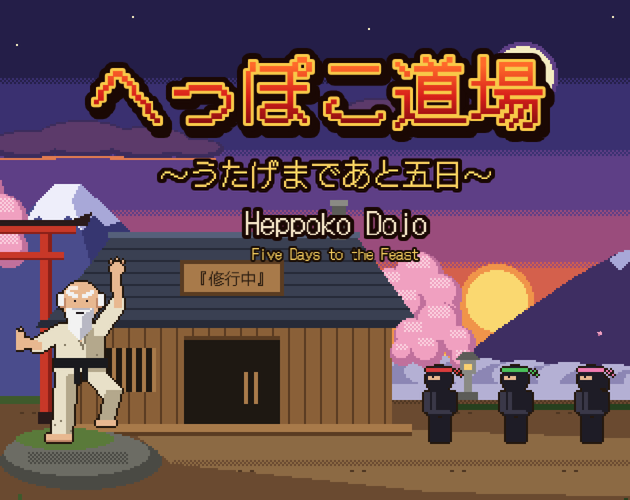
へっぽこ道場 ~うたげまであと五日~Heppoko Dojo: Five Days to the Feast

山奥の道場に「5日後のうたげで、すごいものを見せてほしい」という依頼が届きます。それが何なのか分からないまま、3人の弟子と5日間を過ごすゲームです。

A strange request arrives at a mountain dojo: show “something amazing” at a feast in five days. Nobody knows what that means. You have five days and three students to find out.

時間Time
約5〜10分About 5–10 minutes
人数Players
2人1組や少人数のグループで相談しながらIn pairs or small groups, talking each choice through
言語Language
日本語・英語Japanese, English
環境Platform
ブラウザ(PC、音は出ません)Browser (computer, no sound)

遊んでみるPlay

制作メモMy notes

生まれたきっかけHow it started

企業向けのアジャイル研修はワークショップを中心に行ってきました。ただ、「アジャイルの本質とは何か」といったパートになると、どうしても座学っぽくなってしまいます。そこをゲームの体験に置き換えられないかと、実験してみました。

My Agile training for companies has mostly been built around workshops. But parts like “what is Agile really about?” tend to turn into lectures. I wanted to see whether a game could replace those parts.

続きを読むRead more閉じるClose

ちなみに、体験してほしいのは次の3つです。

  • ぐるぐると、ちょっとずつ進める
  • 時間とリソースを固定し、その中で何をやるかを変える
  • 正解が分からないときにはフィードバックから学ぶ

The game explores three ideas:

  • Small steps and short feedback loops
  • Fixed time and resources, with the scope allowed to change
  • Learning from feedback when you don't know the answer in advance

研修での使い方In a workshop

考え方を説明したあとに体験として遊んでもらっても、先に遊んでもらってから説明につなげても使えます。遊んだあとは「どうでしたか?」とざっくり感想を聞くだけでも、どこまで伝わっているかが見えてきます。

You can explain the ideas first and let people experience them in the game, or have them play first and lead into the explanation. Afterwards, simply asking “How was it?” is often enough to see how much has landed.

見た目についてAbout the look

あえて少し粗い仕上がりにしています。動くものを早く見せて、反応から学ぶ。そんな感覚を体験しやすくするために、作り込みすぎないようにしています。

It's a little rough on purpose. Showing something that works early, and learning from the reaction, is easier to feel when things aren't over-polished.

作り直した話Starting over

最初の版では、教えたいことを全部入れようとして、両利きの経営の考え方まで盛り込むつもりでした。このままでは遊ぶ人にとって難しくなりすぎると思い、最初から作り直すことに。今度はコードを書く前に、AIとのチャットで文章だけのゲームとして遊び、ルールを確かめながら作ることにしました。意図したわけではありませんが、小さく試して反応から学ぶというこのゲームのテーマを、自分でも実践していたことになります。

The first version tried to fit in everything I wanted to teach, even organizational ambidexterity. It was going to be far too hard to play, so I started over from scratch. This time, before writing any code, I played it as a text-only game in a chat with AI, checking the rules as I went. I hadn't planned it, but I was living the game's own theme: try small, and learn from the reaction.

ゲームづくりの舞台裏はnoteに書いています。The behind-the-scenes story is in the devlog.
ライフコーチングLife coaching

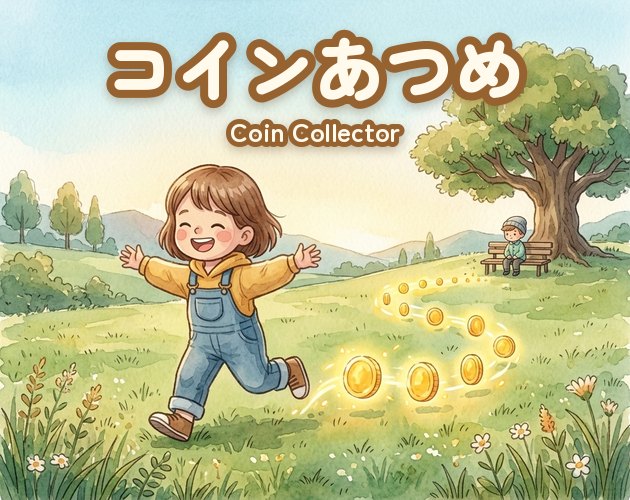
コインあつめCoin Collector

春・夏・秋・冬の1年のあいだ、公園でコインを集めながら、いつものベンチで待っている人との時間をどう使うかを選ぶゲームです。

Over one year, spring to winter, you collect coins in a park, and choose how to spend your time with someone waiting at the usual bench.

時間Time
約2分About 2 minutes
人数Players
一人One
言語Language
日本語・英語Japanese, English
環境Platform
ブラウザ(PC・スマホ・タブレット)Browser (computer, phone or tablet)

遊んでみるPlay

制作メモMy notes

生まれたきっかけHow it started

ライフコーチングでクライアントと話していると、目の前のことを一生懸命がんばるうちに、大切な人と過ごす時間が気づかないうちに少しずつ減っていた、という話によく出会います。それを言葉で伝えるのではなく、遊びの中で自分で気づけないか。それがこのゲームの始まりです。

In coaching sessions, I often hear clients say that while working hard on what was in front of them, they had slowly, without noticing, spent less and less time with the people who matter most. I wondered if people could notice this for themselves through play, instead of being told. That is how this game began.

続きを読むRead more閉じるClose

隠されたテーマThe hidden theme

「幸せは、遠くではなく、すぐ近くにある」。これが、このゲームの隠されたテーマです。ゲームの中には、このテーマも「幸せはすぐ隣に」という名前も出てきません。題名は「コインあつめ」、説明は「コインをたくさん集めよう」だけです。エンディングで本当の題名を明かす案もありましたが、テーマを言葉にしてしまうのでやめました。

“Happiness isn’t far away; it’s right beside you.” That is the hidden theme of this game. Neither the theme nor the name “Happiness Is Right Beside You” appears in the game. The title is just “Coin Collector”, and the only instruction is to collect as many coins as you can. I once planned to show a “real” title at the ending, but dropped it because it would put the theme into words.

ゲームの仕組みに込めた思いWhat I put into it

  • 大切な人との時間は、当たり前になってしまって見すごしやすい。だから話しかけてくる人たちは通知音つきでにぎやかにして、大切な人は季節に1回、小さな声で「ねえ、今から会える?」と呼ぶだけにしました。
  • ふだんの生活でもお金を稼ぐことは大切で、仕事に打ち込む時期があってもいいと思っています。だからゲームの中でもコインを集める楽しさは否定せず、集めたコインの最高記録が残るようにしました。
  • 絵では、主人公は女の子、ベンチで待っているのは男の子です。でも、ふたりの関係は決めていません。恋人でも、友だちでも、家族でもいい。ベンチの男の子に、あなたにとって大切な人を重ねてもらえたらと思っています。
  • It is easy to take time with the people who matter for granted. So the people who call out to you are loud, with notification sounds, while the person who matters calls just once a season, quietly: “Hey, can you come now?”
  • In real life, earning money matters too, and there can be times to focus on work. So I didn’t want the game to look down on the fun of collecting coins. That is why it keeps your best record.
  • In the pictures, you play a girl, and a boy waits at the bench. But their relationship is never named. He could be a partner, a friend, or family. I hope you can see someone who matters to you in him.

試してみて分かったことWhat play-testing taught me

  • 大切な人がだんだん離れて、最後にはいなくなる形にしていました。正解と不正解があるように見えてしまうのでやめて、寂しそうになるだけにしました。
  • 関係の深さをバーで見せていました。数字で見えると「気づいたときにはもう遅い」が成り立たないのでやめて、表情と色だけで伝えることにしました。
  • 恋愛の誘いも入れていました。どう演出しても浮気に見えてしまうことと、恋をする相手の性別を決めたくなかったことからやめました。
  • The person slowly drifted away and finally left.That made it look as if there were right and wrong ways to play, so now they only look lonely.
  • A bar showed how close you were.If you can see it as a number, “by the time you notice, it's too late” no longer works, so it's shown only through face and color.
  • There were romantic invitations too.However I presented them, they looked like cheating, and I didn’t want to decide the gender of a possible partner, so I took them out.

遊んだあとにAfter you play

何かを選べばほかの何かは選べません。仕事も付き合いもSNSもそれぞれに価値があります。ふとだれかの顔が浮かんだら、久しぶりに連絡してみてください。

Choosing one thing means not choosing another. Work, friends, and social media all have their value. If someone comes to mind, why not get in touch? It may have been a while.

ゲームづくりの舞台裏はnoteに書いています。The behind-the-scenes story is in the devlog.
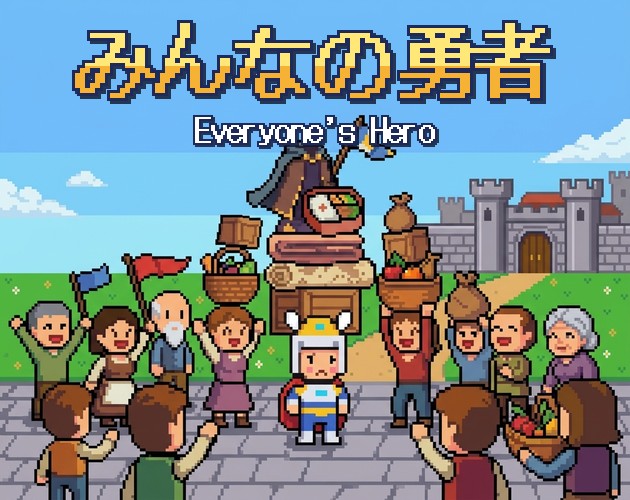
みんなの勇者Everyone’s Hero

王様に「魔王をたおしてまいれ」と送り出され、町の人たちから次々に荷物をわたされた勇者として旅に出るゲームです。

The King sends you off to defeat the Demon King, and the whole town hands you things to carry. With all of it on your back, you set out on the road.

時間Time
約10分(ゲームの中の1日が約3分。旅は長くて3日)About 10 minutes (each day in the game takes about 3 minutes; the journey lasts up to three days)
人数Players
一人One
言語Language
日本語・英語Japanese, English
環境Platform
ブラウザ(PC・スマホ・タブレット)Browser (computer, phone or tablet)

遊んでみるPlay

制作メモMy notes

生まれたきっかけHow it started

コーチングの中でクライアントが「なぜそうしたいのか」を深く掘っていくと、自分の考えだと思っていたことが、じつはだれかから借りた思いこみだったと気づく瞬間があります。だれの考えか分からない「みんな」からの期待に、遊びながら気づけないか。それがこのゲームの始まりです。

In coaching, as a client digs deeper into why they want something, there is sometimes a moment when they see that a belief they thought was their own was borrowed from someone else. I wondered if a game could help you notice the pull of “everyone” — expectations that don’t clearly belong to anyone. That is how this game began.

続きを読むRead more閉じるClose

隠されたテーマThe hidden theme

「全部持たなくていい。手放すと、だれかのところへ巡っていく」。そして、その手前にある「自分に合うものを選べばいい」。これが、このゲームの隠されたテーマです。伝説のつるぎやよろいは、いかにも勇者らしい装備ですが、主人公に合うとはかぎりません。「勇者ならこうするはず」とまねをして合わない物まで持つと、体が重くなって思うように進めなくなります。「手放す」「身軽」のような答えになる言葉は、題名にもゲームの中にも入れていません。「みんなの勇者」という題名は、遊ぶ前は明るく聞こえ、遊んだあとは、みんなの期待を背負わされた勇者の話として少しちがって聞こえるように選びました。

“You don’t have to carry it all. What you let go finds its way to someone else.” And, just before that: “Choose what fits you.” These are the hidden themes of this game. A legendary sword and armor are just what a hero should have, but they may not fit you. If you copy what a hero “should” do and carry things that don’t fit, you get heavy and can’t move the way you want. Words that would spoil it, like “let go” or “travel light”, appear nowhere in the title or the game. I chose the title “Everyone’s Hero” because it sounds cheerful before you play. After you play, it may sound like the story of a hero weighed down by everyone’s expectations.

ゲームの仕組みに込めた思いWhat I put into it

  • 「勇者」という役目そのものが、最初にわたされるいちばん大きな荷物なのかもしれない。そう思って、3人とも本当は勇者ではないのに、みんなから「勇者」と呼ばれるようにしました。
  • 手放すことは、捨てることではない。自分に合わない物も、だれかにとっては宝物かもしれない。そう感じてほしくて、手放した物は通りがかった人が思いがけない使い方で喜ぶようにしました。
  • 重い荷物を持たされているのは、勇者だけではありません。魔王もまた、かんむりや「もっと魔王らしく」という責任をかかえています。だから魔王は、たおすのではなく、話を聞いたり、となりに座ったりできるようにしました。
  • The role of “hero” may itself be the first, and heaviest, thing we are handed. So none of the three is really a hero, yet everyone calls you one.
  • Letting go isn’t throwing away. What doesn’t fit you may be a treasure to someone else. So when you let something go, someone passing by finds an unexpected use for it, and is glad.
  • The hero isn’t the only one given heavy things to carry. The Demon King carries them too: crowns, and the duty to act “more like a Demon King”. So instead of fighting him, you can listen to him or sit beside him.

試してみて分かったことWhat play-testing taught me

  • 文章だけで試しに遊んでみた時は、道で人に会うたびに話が止まって、どうするかを選ぶ形でした。毎回聞かれると「全員を助けなきゃ」という気持ちになってしまうのでやめて、道で出会う人たちは、ただ道ばたにいるだけにしました。素通りも、ひとつの旅の形です。
  • 主人公はゲーム側で決める形にしていました。生まれ持ったものは、自分では選べないからです。でも、2回目からはゲームとしても楽しんでほしいと思い、一度最後まで遊んだあとは主人公を3人から選べるようにしました。1回目は選べないことを体験し、2回目からは自分に合う旅人を選べます。
  • 町の人の引きとめを本心の心配や悲しさだけにしていました。「みんなそう言ってるよ」のように、「みんな」を持ち出して人を動かそうとする言葉は、世の中によくあります。でも、その「みんな」とは、いったいだれなのか。ふと立ち止まって考えるきっかけになればと思い、「みんな」を持ち出す人を半分だけ加えました。全員が言うとわざとらしくなってしまう一方、半分くらいであれば「みんな」の不思議さが際立つと考えたからです。
  • When I first tested the game in text only, the story stopped every time you met someone on the road, and asked what you’d do.Being asked every time made it feel like you had to help everyone, so now the people you meet simply wait by the road. Walking past is one way to travel, too.
  • You could never choose your traveler, because we don’t choose what we’re born with.But I also wanted the game to be fun to play again, so once you’ve played it through, you can choose from the three. The first time, you can’t choose; after that, you can pick the one who fits you.
  • The townspeople held you back only out of honest worry or sadness.People often try to persuade us with “everyone”: “Everyone says so.” But who is “everyone,” really? I wanted players to stop and wonder about that, so I added “everyone” to half of the townspeople. I felt that if all of them said it, it would feel forced, and that with only half, the strangeness of “everyone” would stand out more.

遊んだあとにAfter you play

かかえている荷物はどこから来たのか、何のために持っているのか。ゆっくり眺めてみてください。

Where did the things you carry come from, and what are you carrying them for? Take your time and have a look.

ゲームづくりの舞台裏はnoteに書いています。The behind-the-scenes story is in the devlog.

このページのトップへBack to top